

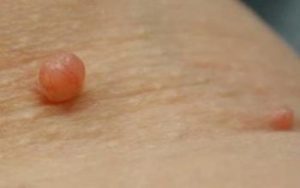
Skin tags are small, soft growths that often appear where the skin naturally folds or experiences friction. These harmless growths can be skin-coloured or slightly pigmented and, while they’re medically benign, they can sometimes become irritated by clothing or jewellery—or simply be something you’d prefer not to see.
They’re most commonly found on areas such as the neck, eyelids, underarms, under the breasts, groin, or upper chest. While they’re not dangerous, they can be uncomfortable or affect confidence, especially when they catch on clothing.
What Do Skin Tags Look Like?
Skin tags are typically:
Smooth or slightly knobbly
Soft to the touch
Either skin-coloured or slightly darker
Hanging loosely from the skin
They can vary in size—from just a few millimetres to up to 5cm in width. It’s easy to mistake them for warts, but unlike warts, skin tags are not contagious, and their surface is generally smoother.
At The Skin to Love Clinic, your journey begins with a consultation with one of our experienced nurses. During this appointment, they will assess your skin tag, discuss your medical history, and determine whether treatment is appropriate. You’ll also receive clear guidance on costs and what to expect before and after the procedure.
Skin tags are small, soft growths that often appear where the skin naturally folds or experiences friction. These harmless growths can be skin-coloured or slightly pigmented and, while they’re medically benign, they can sometimes become irritated by clothing or jewellery, or simply be something you’d prefer not to see.
They’re most commonly found on areas such as the neck, eyelids, underarms, under the breasts, groin, or upper chest. While they’re not dangerous, they can be uncomfortable or affect confidence, especially when they catch on clothing.
Skin tags are typically:
They can vary in size, from just a few millimetres to up to 5cm in width. It’s easy to mistake them for warts, but unlike warts, skin tags are not contagious, and their surface is generally smoother.
Skin tags are made of loose collagen fibres and blood vessels surrounded by skin. Collagen is a type of protein found throughout the body.
Both men and women can develop skin tags. They tend to occur in older people and people who are obese or have type 2 diabetes. Pregnant women may also be more likely to develop skin tags as a result of changes in their hormone levels. Some people develop them for no apparent reason.
Skin tags tend to grow in these skin folds, where the surrounding skin rubs against itself, which is why they tend to affect people with excess folds of skin and skin chafing.
At The Skin to Love Clinic, your journey begins with a consultation with one of our experienced nurses. During this appointment, they will assess your skin tag, discuss your medical history, and determine whether treatment is appropriate. You’ll also receive clear guidance on costs and what to expect before and after the procedure.
The main option in the clinic for treating skin tags is hyfrecation (cauterising blade), which is used to cut away the skin tag. Treatment is carried out under local anaesthetic to reduce discomfort. You will be given advice on how to care for the area after the skin tag has been removed, including medical advice on caring for sensitive skin after treatment, to ensure the skin growth is removed cleanly.
Do not try to remove skin tags without speaking to a professional first. Skin tags can also be burnt or frozen off using liquid nitrogen, in a similar way to how warts are removed, or surgically removed, sometimes using local anaesthetic. This is something best done by a medical professional or board-certified dermatologist. Freezing or burning tags can cause irritation and temporary skin discolouration, and the skin tag may not fall off, meaning further treatment may be needed. Surgical removal has the advantage of removing the skin tag completely, but there is a risk of minor bleeding.
In short, there are very few risks following skin tag removal and infection is very rare. However, it is very important to keep the area dry, and if the area scabs, do not knock it off or dislodge it, as this may delay healing and leave a mark on the skin. Most tags, if removed correctly, will not scar, and removing tags will result in clear, unmarked skin.
Unlike certain types of moles that may appear on your body, skin tags are not cancerous. However, it’s possible to mistake them for other lesions that may be cancerous, and your dermatologist will ultimately determine whether this is the case.
Skin conditions, lumps or bumps should be monitored closely and checked regularly. If you have any concerns, please do not hesitate to contact our in-house dermatologist about our available dermatology treatments.



*Disclaimer: Results may vary from person to person because each individual responds differently to treatments.

Do you wonder where to start when it comes to treating your acne scars and/or active acne?
This is a totally normal feeling …

Yes. But this is said with caution.
What Is In This Blog:
Skin Tags: What Are They?
Removing Skin Tags
Ask An Expert: Seeking Medical Advice
Skin …
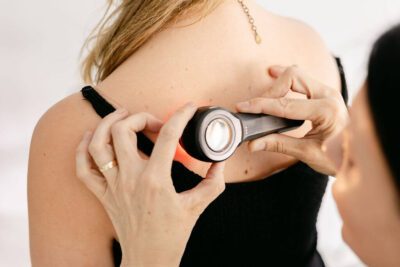
Often skin cancer does not come in the form we expect it to; about 20 to 30 per cent of melanoma develop in existing moles, 70 to 80% arise in seemingly “normal” skin. Most of us are not qualified to know what is or is not suspicious on our skin, so it is always best […]
If you're not sure what treatment you need or you just need more information, we're here to help. Send us an email or call us on 01727 837429.
Menu
Contact
T: 01727 837429
E: info@theskintoloveclinic.co.uk
E: feedback@theskintoloveclinic.co.uk
Feedback directly to CQC: https://www.cqc.org.uk/give-feedback-on-care
The Skin to Love Clinic
13-15 Chequer Street,
St Albans,
Hertfordshire,
AL1 3YJ
Subscribe
To receive the latest offers and updates enter your email address below to sign up to our mailing list.
You may opt out at any time.
Open© 2026 The Skin to Love Clinic | Cookie Policy | Company Privacy Notice | Website Disclaimer | Web design by Cariad Marketing The Skin To Love Clinic Registered Address: Unit 4, Sandy Court, Ashleigh Way, Plympton, Plymouth PL7 5JX. Registered Company 08397290. VAT Reg: 162291028.


