
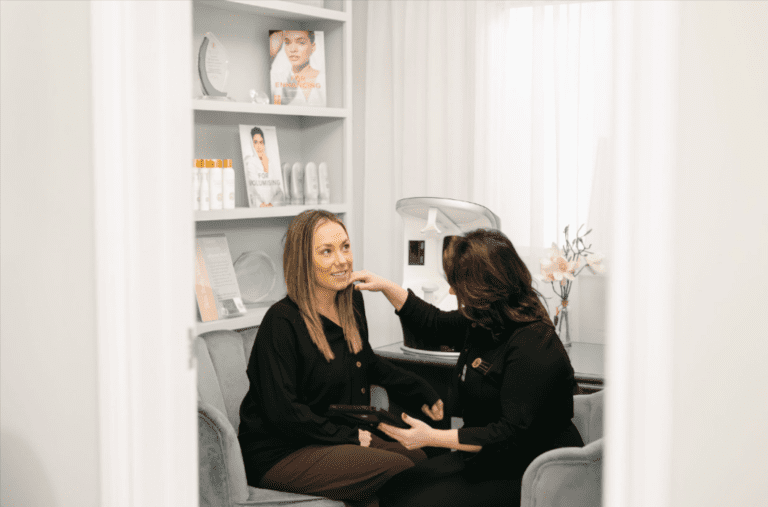
If you’ve been scrolling through high-end beauty spheres lately, you’ll likely know that ‘regeneration’ is the new vibe for aesthetic-medicine and premium skin care. Over recent years, we’ve been moving away from ‘masking’ the impact of time and pivoted towards turning it back at a cellular level.
At our clinic, this commitment to regenerative excellence was reaffirmed in 2018 when we introduced the Byonik treatment to our Hertfordshire clinic. A non-invasive powerhouse of a skin treatment, Byonik was a gamechanger for us and our patients; it uses a world-first pulse-triggered cold laser that works in sync with your unique heartbeat, repairing the skin barrier and protecting your DNA at a cellular level. It proved that we could achieve profound skin health improvements without trauma.
Building on that foundation, another key regeneration milestone arrived with the clinical breakthrough of the polynucleotides treatment: the injectable that currently has the aesthetic world talking, and quite frankly, we can see why.
But, with any new ‘buzz’, there are questions that follow: What is polynucleotide treatment? Does it actually work? And, crucially, is it safe? So, our medical-aesthetic nurse, Jane, is stripping away the ‘buzz’ to give you the clinical truth about this regenerative breakthrough.
What Is In This Blog:
Forget your existing ideas of injectable treatments that traditionally are focused on using a form of hyaluronic acid to add volume, like dermal fillers, or provide deep hydration, like our friend Profhilo. Instead, polynucleotides are made of filtered, ultra-purified, biocompatible DNA fractions.
“When injected, polynucleotides don’t just sit in your skin. They communicate.” nurse Jane explains, “They tell your fibroblasts to produce more collagen and elastin, whilst offering powerful anti-inflammatory, tissue regeneration, and skin hydrating benefits”. This is not just about a quick glow; it’s a skin upgrade.
That’s the real question, do polynucleotides work?
The short answer? Yes. But let’s look at the data.
Clinical studies show us that polynucleotides promote tissue repair and increase skin elasticity and collagen formation. This is why in clinic we get good feedback and polynucleotide treatment reviews for notoriously complex areas, such as the undereye area (tear trough), where traditional filler can be inappropriate or contraindicated.
So, now we know that there’s scientific data supporting the efficacy of polynucleotides, the next question is are polynucleotides worth it? In our experience, this depends on your baseline and what you want to achieve, so a consultation is really important part of the treatment process to understand what you best options are and what you may realistically achieve as a unique individual.
In general, if your goal is a naturally healthy, refreshed look and improved skin quality over time, the answer is yes.
Regenerative aesthetics is changing the conversation around injectables, but is it the right move for your skin?
If you’re curious about polynucleotides and whether they truly live up to the hype, book a consultation and we’ll talk you through the science, the results you can realistically expect, and whether this regenerative approach aligns with your skin goals.
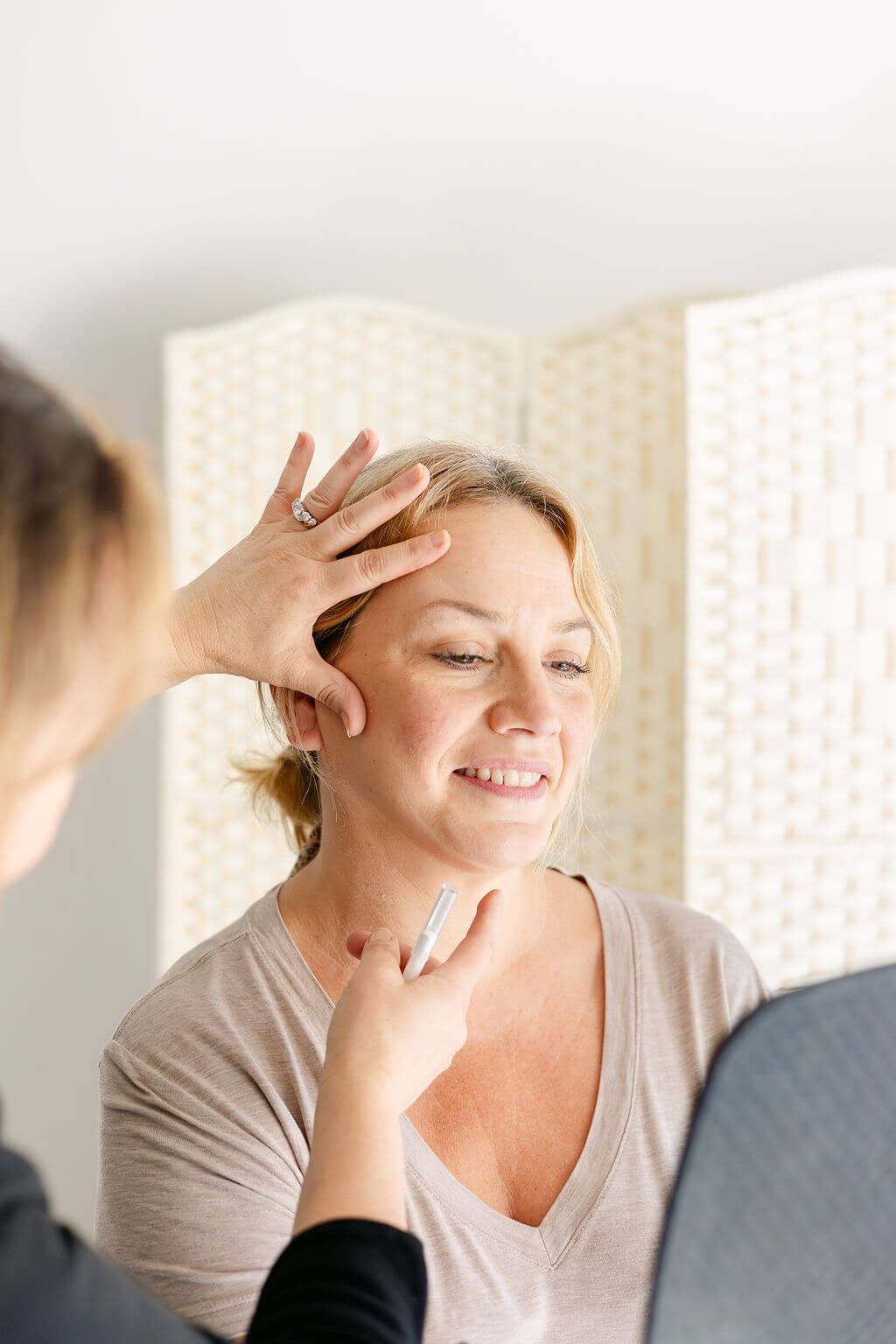
At our CQC-regulated St. Albans clinic, safety is non-negotiable. One of most common questions from our patients is: ‘are polynucleotides safe?’. The answer is that:
“Because they are from natural sources, typically salmon or trout DNA, and go through a medical-grade, rigorous purification process, polynucleotides are highly biocompatible.” explains nurse Jane. “This significantly reduces the risk of an allergic reaction. In fact, they’re often used within a medical setting to accelerate wound healing, which speaks volumes about their safety profile.”
The science supports this: Clinical reviews show us that because the purification process is so refined, the polynucleotide DNA fragments are ‘invisible’ to your immune system, preventing an immune reaction. With the review suggesting that this process: “guarantees the safety of the product and the absolute lack of any immunological side effect.”.
The safety isn’t just found in the lab; a huge five-year surveillance tracked over 300,000 uses of polynucleotides and officially confirmed an ‘excellent’ safety profile. This large-scale data is why we feel so confident recommending it safely to our St. Albans patients.
This treatment requires a course of, usually, 3 sessions spaced approximately 4 weeks apart.
The sensation: this will vary depending on the technique. For more sensitive areas, we often use a local anaesthetic cream on the skin prior to treatment. Polynucleotides can be delivered into the skin via tiny injections or via cannular. The cannular method is usually the most comfortable method. One method, or a mix of both, may be used depending on your skin's requirements.
You will likely feel small pinpricks during the treatment, similar to other injectable treatments, and a transient stinging sensation. In our experience, patient find the sensations very manageable.
The downtime: the possible side effects are the same as all injectables; there’s a risk of bruising, and slight swelling of the treated tissue. Depending on the treatment method, you may have some small ‘blebs’ in the injection site that typically settle within 24 hours.
The results: polynucleotides don’t offer an overnight transformation. This isn’t because they are ‘lesser’ than treatments that offer a quicker (but different) outcome, it’s because results rely on your skins own regenerative powers. This means that we will all see results at a slightly different time, some may see changes after the second session, some may see them after the end of the course.
As a general guide, most patients will see their full results around 5 weeks from their last session.
At The Skin to Love Clinic, we don’t follow trends; we vet them. Our expertise in aesthetic and regenerative medicine combined with our CQC-regulated and Save Face accredited clinical environment and standards, ensures that you’re treated with safety and care. If you’re considering polynucleotides in St. Albans or locally, we would be pleased to consult with you and offer personalised guidance.
The STL Expert Edit: Highlights & Key Takeaways
At a glance: The Polynucleotides Guide
What are polynucleotides?
A regenerative injectable skin treatment made from ultra-purified DNA fractions. Unlike dermal fillers or wrinkle relaxing injections, polynucleotides are biostimulators that tell your skin to produce collagen and elastin, helping to regenerate and repair skin at a cellular level.
Are polynucleotides effective and safe?
The clinical verdict is yes. Polynucleotides (PDRN) are high-performance biostimulators that repair and regenerate the skin at a cellular level, rather than just masking the effects of time. They have:
The Essentials:
Course: Usually 3 sessions, 4 weeks apart.
Downtime: Minimal. Common potential side effects associated with injectable treatments include bruising and mild swelling that is transient.
Results: Full results expected in the months following your final session.
Expertise: At our CQC-regulated St. Albans clinic this is performed by medical professionals following a full consultation.
If you’re looking for a skin treatment that steps you up from what skincare products can achieve; focusing on skin health, repair, regeneration, and a refreshed-looking result, the polynucleotides ‘buzz’ may very much be worth it.
“It’s great to research treatments that are of interest.” adds nurse Jane. “Arming yourself with knowledge allows you to make a thoughtful choice about your care. If you’d like to take the next step, our patients found that a consultation is a good way to learn more about potential treatments, understand what may or may not be ideal for their goals with their unique medical background in mind, and ask questions.”
Disclaimer: This blog is not to be used for diagnostic purposes. We are all unique which means that our results, recovery and suitability for any type of treatment will vary. Always seek the advice of a professional should you have any health or cosmetic concerns or to discuss treatments specifically for you.

Written by clinic co-founder Kerri Lewis | Medically reviewed by Nurse Jane Lewis, RN | The Skin to Love Clinic, St. Albans | CQC regulated | Save Face accredited | HydraFacial verified provider | Published September 2026. The difference between a facial and a HydraFacial isn’t just the products and ingredients used. It’s how they […]

18 Sep 2026

Written by Kerri Lewis, Co-founder | Medically reviewed by Nurse Jane Lewis RN, The Skin to Love Clinic, St. Albans | CQC regulated | Save Face accredited | Published September 2026. That mark on your chest. The small rough patch on the back of your hand. The little bump just below your hairline that looks […]
10 Sep 2026


Contact
T: 01727 837429
E: info@theskintoloveclinic.co.uk
E: feedback@theskintoloveclinic.co.uk
Feedback directly to CQC: https://www.cqc.org.uk/give-feedback-on-care
The Skin to Love Clinic
13-15 Chequer Street,
St Albans,
Hertfordshire,
AL1 3YJ
Subscribe
To receive the latest offers and updates enter your email address below to sign up to our mailing list.
You may opt out at any time.
Open© 2026 The Skin to Love Clinic | Cookie & Privacy Policy | Company Privacy Notice | Website Disclaimer | Web design by Cariad Marketing The Skin To Love Clinic Registered Address: Unit 4, Sandy Court, Ashleigh Way, Plympton, Plymouth PL7 5JX. Registered Company 08397290. VAT Reg: 162291028.