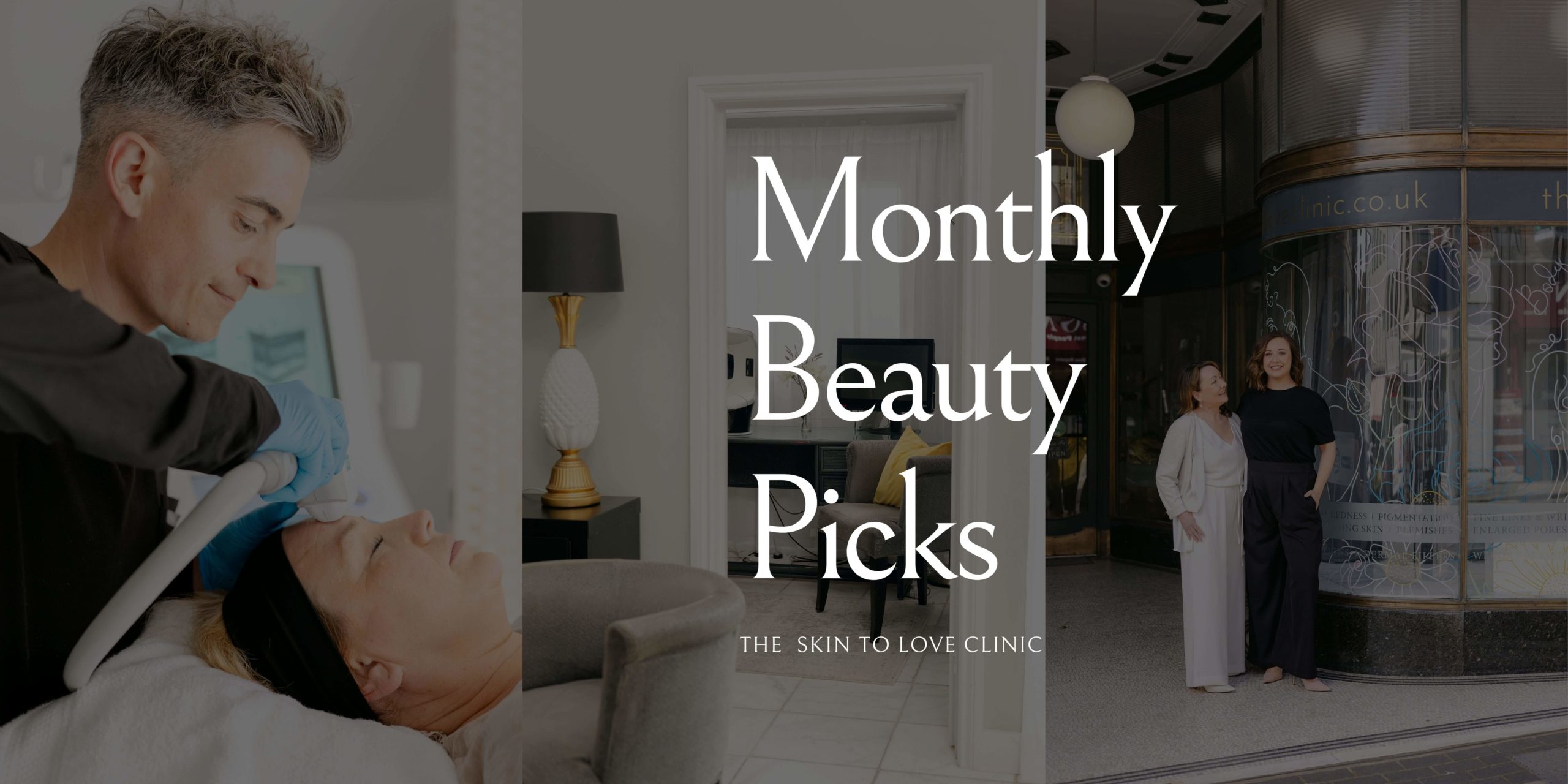
Let’s jump straight in. To treat skin pigmentation problems safely and effectively you need to know what type of skin pigmentation you have. Once this has been established, then you can create a treatment plan for your skin.
Wait... there’s more than one type of skin pigmentation? Oh yes.
Today we’re going to focus on HYPERpigmentation which is an excess of pigmentation opposed to HYPOpigmentation which is when your skin loses pigment. Hyperpigmentation is an umbrella term for any darkening of the skin. Hyperpigmentation can be caused by sun exposure, hormones, or trauma to the skin. Essentially, it is your skin producing excess melanin in certain spots, leading to dark patches.
What Is In This Blog:
Hyperpigmentation resulting from sun damage (also known as photo-ageing) or that resulting from trauma such as a wound or acne (which is technically known as post-inflammatory hyperpigmentation) have no set pattern; they will either be directly in the trauma zone... so precisely where each acne spot was or where the cut or graze was is your pigmentation is post-inflammatory. If your hyperpigmentation is the result of sun damage this can appear commonly as freckles, individual dark spots, or a general unevenness to the skin tone. These types of skin pigmentation can be successfully treated with many of the same skin pigmentation treatments.
The skin pigmentation treatments often recommended in our skin clinic include Fraxel Dual laser, Clear and Brilliant laser, chemical peels, and prescription products.
Now, melasma is a very specific type of hyperpigmentation. It’s unique. It usually appears as larger, symmetrical patches, often on the face—like the cheeks, forehead, or upper lip. The key difference? Melasma is often triggered by hormonal changes, like pregnancy, birth control or menopause; that’s why this form of pigmentation is sometimes called the “mask of pregnancy.”
Melasma requires a cautious and personalised approach, as some heat-based or laser treatments can occasionally worsen pigmentation if used inappropriately. However, at The Skin to Love Clinic, we assess every case individually, and in certain carefully selected situations, gentle laser treatments such as Clear + Brilliant® may be recommended alongside medical-grade skincare like Obagi Nu-Derm®, where clinically suitable.
Our advanced treatment options include IPL, Clear + Brilliant®, and prescription-strength skincare systems such as Obagi Nu-Derm®, allowing us to tailor each pigmentation treatment plan to your unique skin type and concern, including conditions such as melasma, when appropriate.
Understanding the difference is crucial because melasma often requires a more cautious approach in comparison to other forms of skin pigmentation, frequently focusing on sun protection in combination with prescription treatments. We do have skin lasers here at our Hertfordshire skin clinic that are FDA approved to treat melasma but, in our vast experience, this treatment will be the exception to the rule and approached cautiously in combination with the melasma treatments previously mentioned if offered.
As you can see, melasma is a type of hyperpigmentation but it has its own distinct causes and treatment strategies. If you’re dealing with dark spots, knowing the difference can help you choose the right approach to get your skin looking its best.
If you’re unsure what type of hyperpigmentation you have, you’re not alone; very often we have enquiries where the client is usually not sure if they have sun damage pigmentation or melasma. If this is the case for you too, it may be useful to think back to when you first noticed your hyperpigmentation:
If you’re none the wiser, don’t worry, a professional can help you find out the answer during a consultation. At our Hertfordshire-based skin clinic, we will never treat you without consulting with you first to determine the type of skin pigmentation you have. This consultation will include a skin analysis using a skin scanner called the Visia.
The Visia is an important tool allowing us to see beyond what can be seen with the naked eye. When it comes to hyperpigmentation, it’s important to see if there’s pigmentation lurking beneath the surface that’s not yet visible; it may reveal a typical melasma pattern of hyperpigmentation to us that can’t yet be seen on the surface; and it will allow us to see how deep or superficial you pigmentation is. All these factors will help you and your practitioner make a treatment plan unique to you and your skin's needs no matter what type of skin pigmentation you have.
If you have skin pigmentation and are curious about how we may be able to support you at our St. Albans (Hertfordshire) skin clinic, contact us today to arrange your skin consultation.
Disclaimer: This blog is not to be used for diagnostic purposes. We are all unique which means that our results, recovery and suitability for any type of treatment will vary. Always seek the advice of a professional should you have any health or cosmetic concerns or to discuss treatments specifically for you.

Written by clinic co-founder Kerri Lewis | Medically reviewed by Nurse Jane Lewis, RN | The Skin to Love Clinic, St. Albans | CQC regulated | Save Face accredited | HydraFacial verified provider | Published September 2026. The difference between a facial and a HydraFacial isn’t just the products and ingredients used. It’s how they […]

18 Sep 2026

Written by Kerri Lewis, Co-founder | Medically reviewed by Nurse Jane Lewis RN, The Skin to Love Clinic, St. Albans | CQC regulated | Save Face accredited | Published September 2026. That mark on your chest. The small rough patch on the back of your hand. The little bump just below your hairline that looks […]
10 Sep 2026


Contact
T: 01727 837429
E: info@theskintoloveclinic.co.uk
E: feedback@theskintoloveclinic.co.uk
Feedback directly to CQC: https://www.cqc.org.uk/give-feedback-on-care
The Skin to Love Clinic
13-15 Chequer Street,
St Albans,
Hertfordshire,
AL1 3YJ

Subscribe
To receive the latest offers and updates enter your email address below to sign up to our mailing list.
You may opt out at any time.
Open© 2026 The Skin to Love Clinic | Cookie & Privacy Policy | Company Privacy Notice | Website Disclaimer | Web design by Cariad Marketing The Skin To Love Clinic Registered Address: Unit 4, Sandy Court, Ashleigh Way, Plympton, Plymouth PL7 5JX. Registered Company 08397290. VAT Reg: 162291028.