

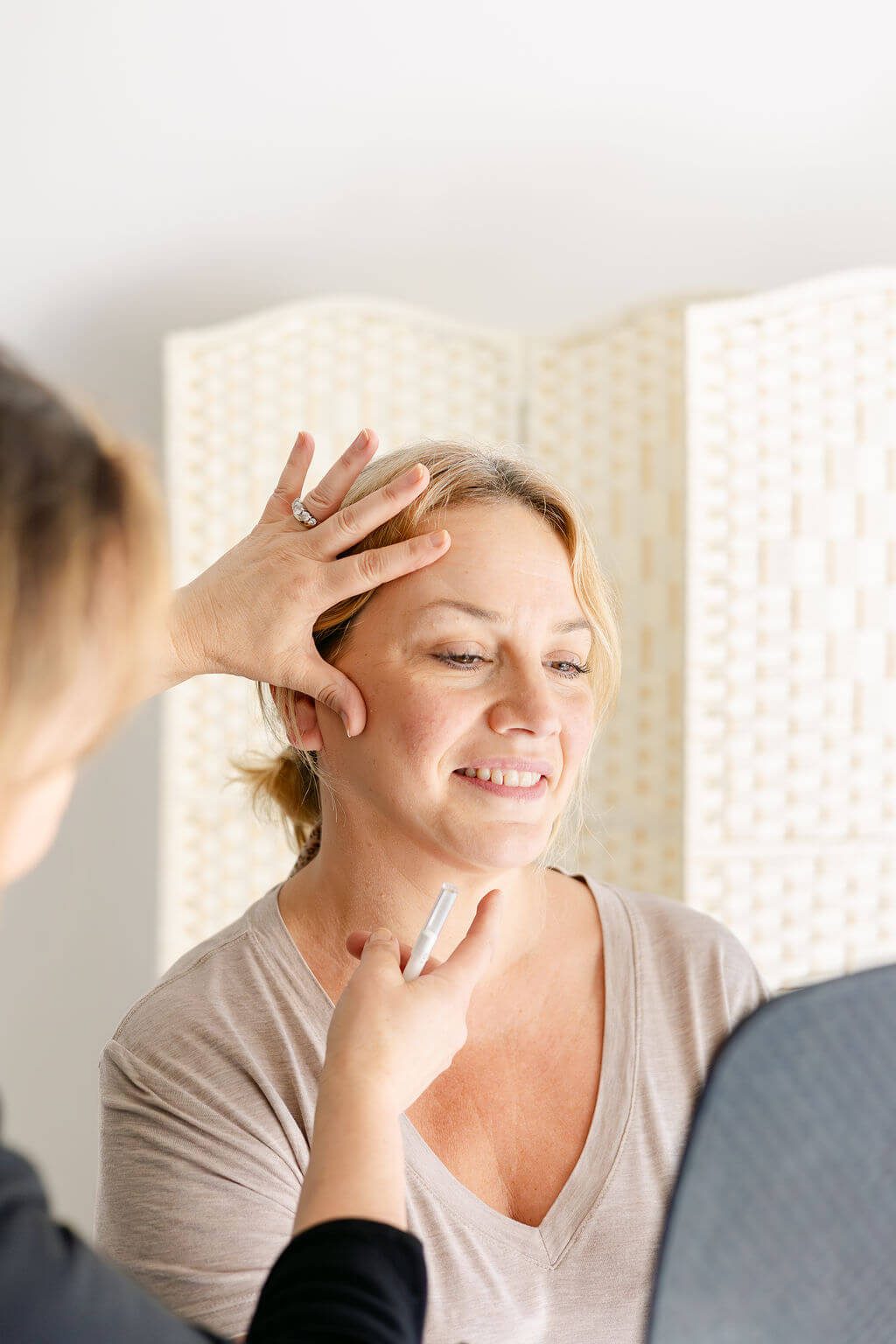
The best facial hair remover depends on your hair type, skin tone, and long-term goals. At The Skin to Love Clinic, we offer medical-grade treatments for facial hair removal like laser hair removal and electrolysis, which are more effective and longer-lasting than at-home options such as mini hair removers, electric shavers, or dermaplaning tools. Professional treatments target the follicle to reduce unwanted facial hair at its source, offering smoother skin and less frequent regrowth.
Many facial hair removal products on the market promise to tackle pesky peach fuzz or stubborn chin hair, from waxing kits and creams to electric shavers with foil designs. However, results vary, and overuse of traditional razors or harsh hair removal products can lead to irritation, especially on sensitive skin or areas with active breakouts. For long lasting results and a reduced need for constant upkeep, clinical treatments like laser hair removal or electrolysis are far more effective than temporary, over-the-counter options.
+
If you want to remove hair from delicate areas like the upper lip, chin, or cheeks without irritation, avoid harsh pulling methods like waxing or frequent shaving with a razor. Instead, choose gentle facial hair removal methods tailored to your skin tone and hair type. Professional options such as laser hair removal or electrolysis reduce unwanted hair over time while minimising skin sensitivity. Always do a patch test before using any new hair removal products, and follow aftercare to keep your skin smooth and free from redness.
Laser hair removal is most effective on darker hair, but electrolysis can target unwanted facial hair of any colour, including fine hair and white or grey strands that laser cannot treat. While at-home tools such as a dermaplaning tool or electric shaver can give a close shave and help with dead skin cells, they don’t stop regrowth. If you want to stay hair free for longer, electrolysis is the only treatment that offers permanent results for all hair colours and skin tones.
Peach fuzz is common, and while you can remove it with a dermaplaning tool, waxing, or an electric shaver, these methods only give temporary results. Professional laser treatments can target darker, coarser hair but won’t work on very light peach fuzz. For a smooth finish that also removes dead skin cells and preps the skin for makeup, many women choose dermaplaning in combination with other hair removal methods for areas like the chin and brows.
+
A dermaplaning tool can be a safe way to remove hair and dead skin cells from the face when used correctly. It’s popular for tackling pesky peach fuzz and creating a smoother base for makeup. However, this is a temporary removal process, and regrowth will occur. If you’re looking for long lasting results, professional treatments like laser hair removal or electrolysis are better suited. Always ensure the device is clean, avoid direct contact on active breakouts, and follow instructions to prevent irritation.
Disclaimer: This blog is not to be used for diagnostic purposes. We are all unique which means that our results, recovery and suitability for any type of treatment will vary. Always seek the advice of a professional should you have any health or cosmetic concerns or to discuss treatments specifically for you.

Written by Kerri Lewis, Co-founder | Medically reviewed by Nurse Natalia Ostrowska RGN and INP, The Skin to Love Clinic, St. Albans | CQC regulated | Save Face accredited | Published August 2026. You’ve slept properly. Eight hours, maybe more. No wine last night, no late one. And yet the mirror has other ideas: hollows […]

18 Aug 2026

Written by Nurse Jane Lewis, RN and Clinic Founder | The Skin to Love Clinic, St. Albans | CQC regulated | Save Face accredited | British Association of Medical Aesthetic Nurses (BAMAN) | Published August 2026 You notice a small, bright red dot on your chest or your arm that definitely wasn’t there last summer, […]
17 Aug 2026
Menu
Contact
T: 01727 837429
E: info@theskintoloveclinic.co.uk
E: feedback@theskintoloveclinic.co.uk
Feedback directly to CQC: https://www.cqc.org.uk/give-feedback-on-care
The Skin to Love Clinic
13-15 Chequer Street,
St Albans,
Hertfordshire,
AL1 3YJ
Subscribe
To receive the latest offers and updates enter your email address below to sign up to our mailing list.
You may opt out at any time.
Open© 2026 The Skin to Love Clinic | Cookie & Privacy Policy | Company Privacy Notice | Website Disclaimer | Web design by Cariad Marketing The Skin To Love Clinic Registered Address: Unit 4, Sandy Court, Ashleigh Way, Plympton, Plymouth PL7 5JX. Registered Company 08397290. VAT Reg: 162291028.


